Acupuncture
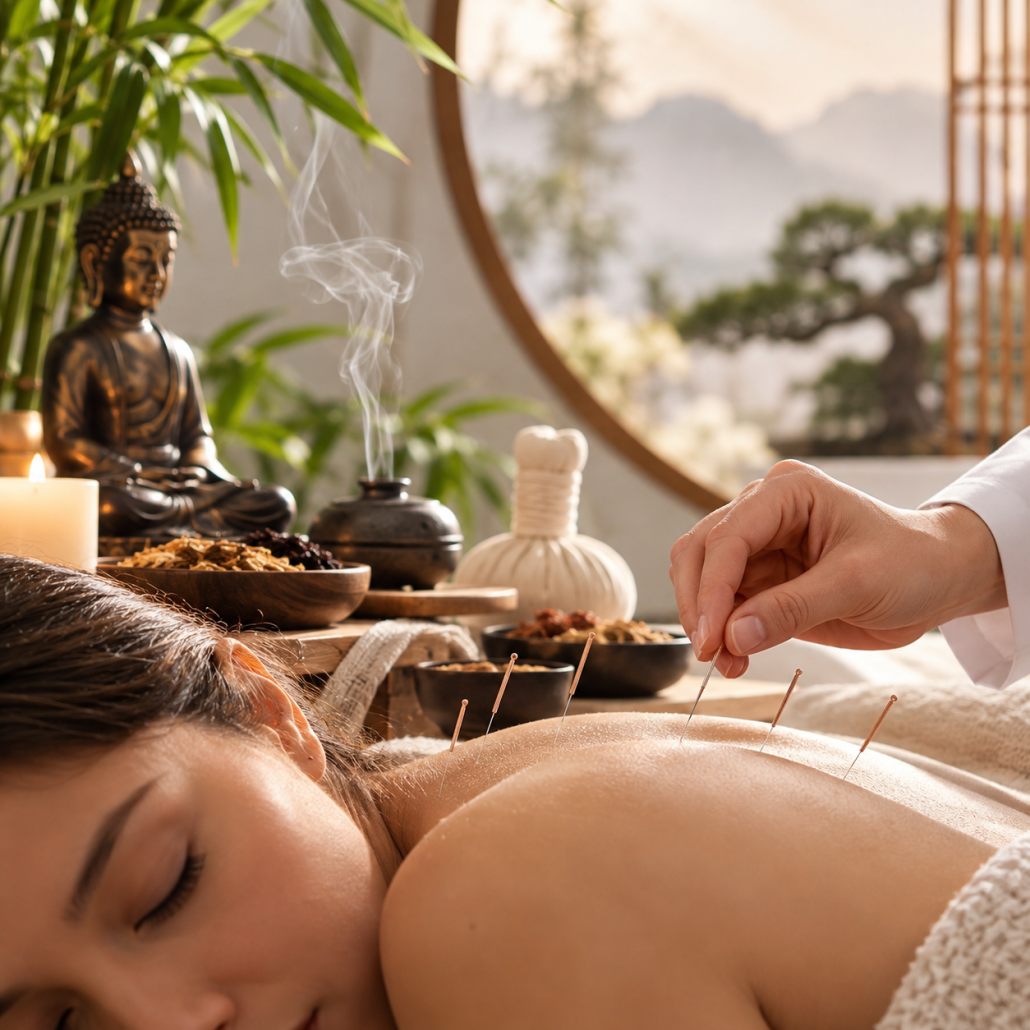
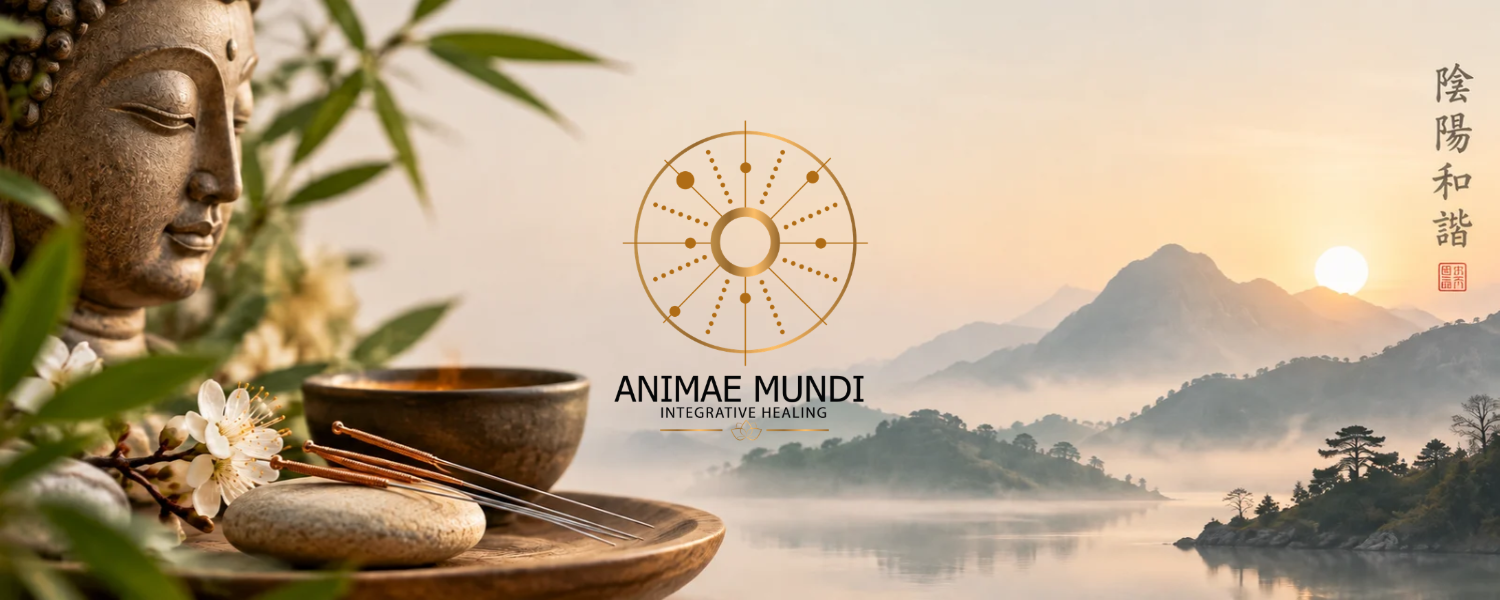
Acupuncture is a therapeutic medical practice originating from Traditional Chinese Medicine (TCM) and is now widely used alongside conventional healthcare in many countries. It involves the precise insertion of very fine, sterile needles into selected points on the body. In TCM, these points are traditionally understood to influence pathways known as meridians.
From a modern physiological perspective, acupuncture is thought to influence the nervous system, pain-processing pathways, circulation, and the body´s neurochemical and autonomic responses. Research has demonstrated that acupuncture can stimulate the release or
modulation of endogenous opioids, including endorphins and enkephalins, which are involved in the body´s natural pain-regulation mechanisms.
Acupuncture may also influence neurotransmitter and hormonal systems involved in stress regulation, mood, sleep, relaxation, and overall well-being. Research continues to investigate its effects on systems involving serotonin, dopamine, oxytocin, melatonin, and reproductive hormones, including estrogen and progesterone. Acupuncture is commonly used as a complementary approach for conditions such as musculoskeletal pain, tension, headaches, stress, sleep difficulties, and other functional health concerns. Many people experience the treatment as calming and deeply relaxing.
Treatment time: Approximately 40 minutes
Acupuncture can also be combined with meridian-based therapeutic massage, such as Shiatsu, and or Tuina, to complement the treatment.
The combination provides both targeted acupuncture stimulation and hands-on bodywork designed to promote relaxation, circulation, and asense of physical balance.